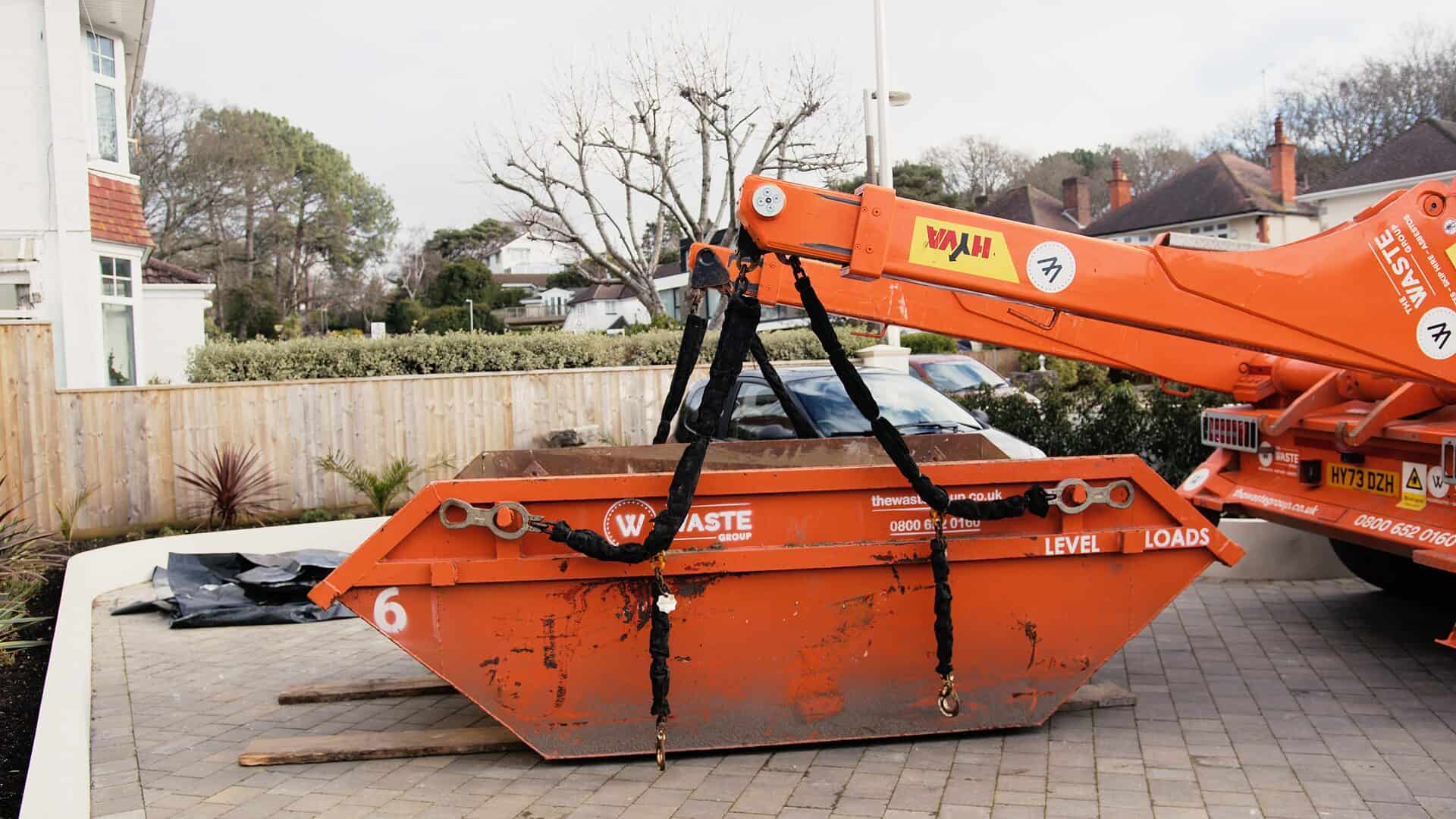
How to Prepare for a Skip Delivery: The Complete UK Checklist
If you’re wondering how to prepare for a skip delivery, this guide covers permits, access & placement, surface protection,
what you can and can’t put in, and a printable checklist so delivery day goes smoothly and safely.
Do I need a skip permit?
What can & can’t go in a skip
Skip Sizes Explained
1) Understand the skip-hire process
- Book your skip (size, delivery date, placement, permit if required).
- Delivery window confirmed; ensure access and a clear, stable spot.
- Use period — fill safely, below the rim, with permitted waste only.
- Collection — request pickup when ready; driver removes the skip.
Tip: If placing a skip on public land, arrange a council permit in advance.
2) How to Prepare for a Skip Delivery: Step-by-Step
- Confirm the right skip size; when in doubt, go slightly larger.
- Choose a firm, level spot and protect delicate surfaces.
- Reserve space and check access width/height for the lorry.
- Apply for permits if placing on the road or pavement.
- Pre-sort waste and keep restricted items aside.
3) Permits & where your skip can go
On private land (driveway, garden), a council licence usually isn’t needed. On a
public road, pavement or verge, you must obtain a skip permit and follow any conditions (lights, cones, reflective markings).
Lead times and fees vary by council.
Check official guidance here: GOV.UK — Apply for a skip permit.
4) Site assessment: access, surfaces & safety
- Access: clear parked cars, verify width/turning and overhead clearance.
- Surface: avoid soft ground; use sturdy boards on new tarmac/resin/block paving.
- Services: never block drains or inspection covers.
- Neighbours: notify to prevent space conflicts.
5) Prepare the area before delivery
- Remove bins, planters and obstacles; mark the placement if you won’t be present.
- Have your permit/approval details ready for roadside placement.
- Pre-sort waste to load efficiently.
6) Delivery day: what to expect
- Be available or leave clear written instructions.
- If access is tighter than expected, the driver will assess safe alternatives.
- We cannot place a skip on public land without a valid permit.
7) Smart & safe loading
- Load heavy items first; break down bulky pieces to save space.
- Keep contents below the rim—overfilled skips cannot be collected.
- Cover during wind/rain to prevent blow-out.
8) What’s allowed vs prohibited
Most household, garden and light building waste is fine. Do not include paints/solvents, oils, asbestos,
gas cylinders, tyres, batteries, fridges/freezers or electricals (WEEE) unless specifically agreed.
See our full guide: What can & can’t go in a skip.
9) After delivery & before collection
- Discourage fly-tipping (cover overnight if needed).
- Keep the area tidy, especially for roadside placements.
- When finished, book collection promptly to avoid extra hire days.
10) Timing, costs & avoidable fees
- Permit fees vary by council; apply early to avoid delays.
- Extra charges can apply for overfilling, prohibited items or extended hire.
- Busy periods and poor weather can affect availability—book ahead.
11) Common problems & quick fixes
- Access too tight on the day
- Remove nearby vehicles; consider a smaller skip or alternative spot if safe.
- Permit not approved in time
- Place on private land temporarily or re-schedule once authorised.
- Accidentally added a restricted item
- Contact us for compliant disposal options before collection.
Printable pre-delivery checklist
- Confirm skip size (check weight limits for soil/rubble)
- Choose a level, firm spot; use protection boards on delicate surfaces
- Measure access & reserve space; clear parked cars
- If on public land: obtain permit; follow council lighting/markings
- Tell neighbours; mark exact placement if you won’t be present
- Pre-sort waste; keep prohibited items aside
- Be available or leave clear instructions for the driver
FAQs
- Do I need to be home for skip delivery?
-
Not strictly, but being present helps finalise placement quickly. If you can’t be there, leave clear instructions and ensure access is reserved.
- Can I put a skip on the road without a permit?
-
No. A valid council permit is required for public roads, pavements or verges, and you must follow any lighting or cone requirements.
- What happens if a skip is overfilled?
-
For safety and legal reasons, an overfilled skip cannot be collected. Remove excess or consider an additional skip.
- What can’t go in a skip?
-
Hazardous items such as paints/solvents, oils, asbestos, gas cylinders, tyres, batteries, fridges/freezers and most electricals (WEEE) unless specifically agreed.
Now you know how to prepare for a skip delivery
Ready to book? Get an instant quote or speak to our team for tailored placement and permit advice.
Get a quote •
Skip Sizes Explained •
GOV.UK Permit
Last updated: 23 September 2025 • The Waste Group